
Inside the emotional reality of public accountability
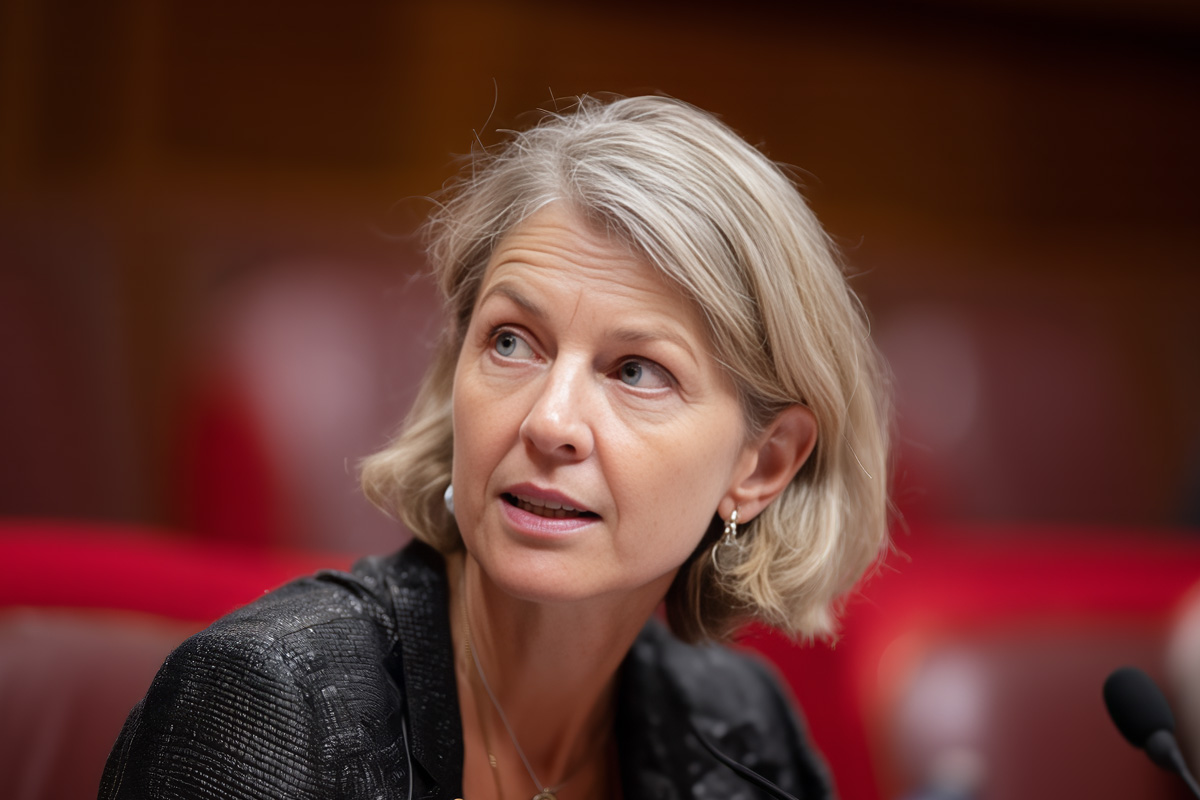
Senate estimates and the end of another financial year are upon us once again, bringing with them that familiar surge of pressure and stress.
Although it can be a challenging time for people in all sectors, there is an often-unspoken weight attached to these periods in the public sector. Senate estimates in particular can conjure feelings of anxiety or even dread – especially as social media continues to change the game.
What’s interesting is that these added pressures aren’t just “all in your head”, or even a sign that you lack some special trait that would allow you to make it through unscathed. Public service carries a different type of complexity, and one that is felt personally as much as professionally.
Public accountability is emotionally demanding
In a recent study published by the Public Performance & Management Review, researchers set out to determine how the prospect of being held accountable affects public servants emotionally.
What they found was unsurprising to anyone who has held a public service role. Put simply, being held accountable – or even anticipating it – generates powerful emotional responses among public officials.
In some circumstances, it is positive and provides an opportunity to take pride in good decisions or come clean about mistakes. In others, it has become “synonymous with the identification of scapegoats and the delivery of sacrificial lambs” – paving the way for feelings of resentment, frustration and anxiety.
The study noted that different types of accountability could provoke different emotions. Social accountability (such as being judged by the public) sometimes made public officials proud, while other times they felt resentful or angry. The prospect of legal accountability triggered anxiety and even emotional distress.
It’s reasonable to expect that anticipating accountability, and the emotions that come with it, will influence a public official’s actions even before anything occurs. For example, they might try to protect themselves from blame or prioritise defensive decision making. And this can become demoralising for them, as well as for those around them who may be forced to deal with blame shifting and scapegoating behaviours.
In periods of added pressure such as Senate estimates, the emotions associated with public accountability tend to intensify. Often, this may not even be conscious. Under scrutiny, people tend to fall back on default responses – in how they speak, interpret questions, and manage pressure in the moment. What the research on public accountability highlights is that these reactions aren’t unusual or a sign of poor performance. They’re a natural response when someone knows their decisions are being examined in real time.
In Senate estimates, this is amplified by the nature of the setting itself. Questions can move quickly, lines of inquiry can change suddenly, and officials are required to explain complex material under time pressure and in a public forum. Even experienced public servants can feel the dynamic change within a single exchange, particularly when questioning moves from technical detail into judgement or intent.
In an age where social media can capture and circulate a single response within minutes, the stakes are further heightened. A difficult moment in the room can quickly become a permanent public artefact, stripped of context and replayed beyond its original setting. That visibility adds another layer of pressure to an already demanding environment, affecting not only how answers are delivered but how they’re later perceived.
Combined, these conditions reinforce what the research shows: accountability extends beyond procedure into lived experience. It sits at the intersection of expectation, scrutiny and emotion, and influences behaviour long before and long after the formal exchange takes place.
When pressure becomes personal
As we head into this characteristically stressful time of year, public servants need to pay attention to how they are experiencing and managing this pressure.
If you have a tendency to revert to default reactions that don’t serve you well in the moment, it may be time to broaden preparation beyond traditional communications or leadership training, and bring emotional preparedness into the mix.
This is where mindset becomes important. One evidence-based approach that supports this is cultivating an explorer mindset, which helps you:
- lead without all the answers
- think clearly under pressure
- guide through uncertainty
We learn to do this in the Explorer Mindset workshop, also leveraging advanced psychometric tools to shine a light on our default patterns. This includes the physical and emotional responses that may emerge under pressure, so we can understand how to shift into mindsets that serve us better both immediately and in the future.
The evolving nature of public accountability must account for the emotional component. Because it’s only by infusing this reality into the way we prepare for high-stakes situations, such as Senate estimates, that we can empower public servants and officials to manage them effectively.
To learn more about our next Explorer Mindset workshop, visit Eventbrite or book a discovery call.